
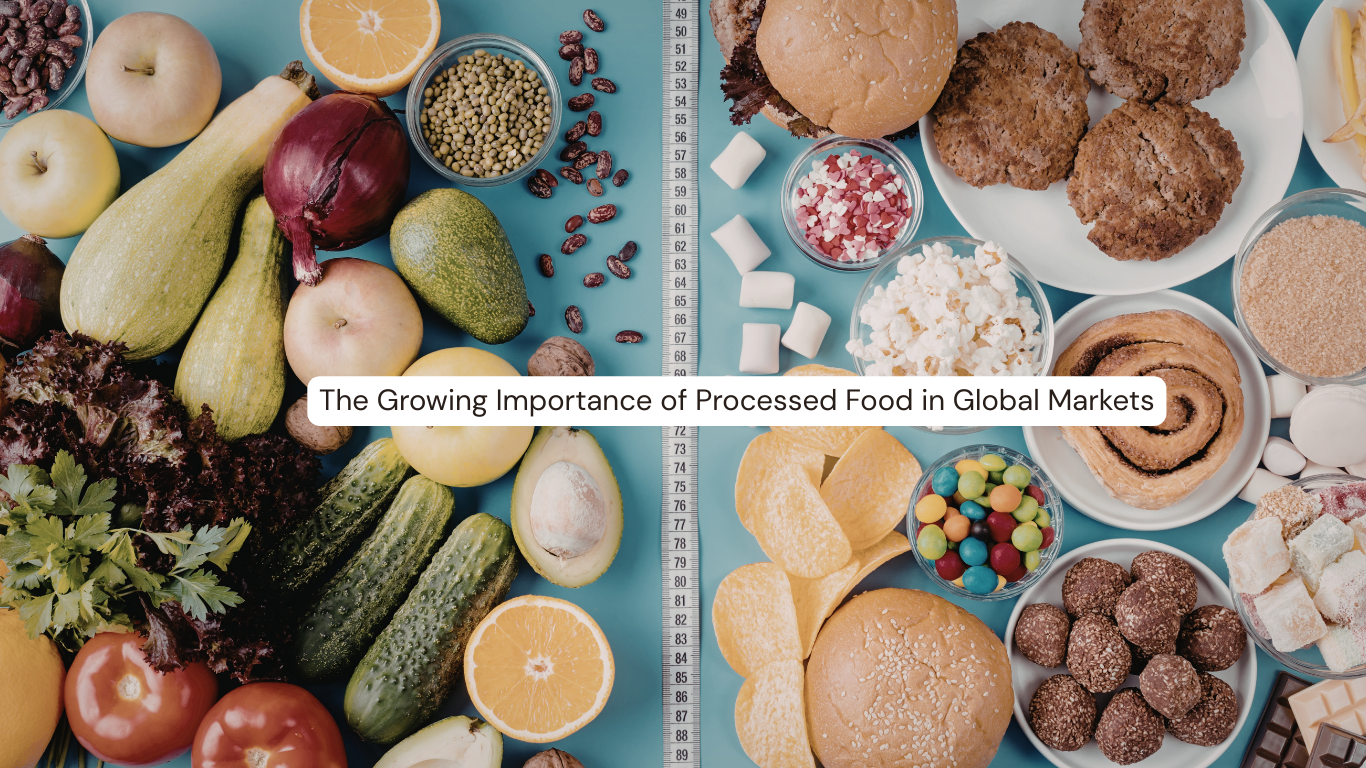
The Growing Importance of Processed Food in Global Markets
The Growing Importance of Processed Food in Global Markets
The processed food industry plays a vital role in meeting the growing demand for safe, convenient, and long-lasting food products across global markets. Processed foods include items that have undergone various methods such as cleaning, cooking, freezing, canning, drying, or packaging to enhance shelf life, safety, and usability. From ready-to-eat meals to frozen snacks and packaged staples, processed food has become an essential part of modern lifestyles.
What is Processed Food?
Processed food refers to food items that have been altered from their natural state using mechanical, chemical, or thermal methods. This includes basic processing like washing and cutting, as well as advanced processing such as preservation, flavor enhancement, and packaging. Common examples include frozen vegetables, canned fruits, bakery products, dairy items, snacks, and instant foods.
Growth of the Food Processing Industry
The food processing industry has experienced rapid growth due to urbanization, changing consumer habits, and increasing demand for convenience food. Ready-to-eat and ready-to-cook products are particularly popular among working professionals and younger consumers. Advances in food processing technology have also improved product quality, hygiene, and nutritional value.
Types of Processed Food Products
- Ready-to-eat meals
- Frozen and chilled food
- Canned food products
- Packaged snacks and bakery items
- Dairy and meat-based processed food
Food Processing Technology & Innovation
Modern food processing technology focuses on maintaining taste, nutrition, and safety while reducing waste. Automation, smart packaging, cold chain solutions, and hygienic processing equipment have transformed the industry. Manufacturers are also adopting sustainable practices and clean-label ingredients to meet consumer demand for healthier processed food.
Importance of Processed Food
Processed food helps reduce food wastage, ensures year-round availability of seasonal items, and improves food safety standards. With proper regulation and innovation, processed food manufacturing supports economic growth, employment, and global food security.
Future Trends in Processed Food
- Demand for healthy and organic processed food
- Clean-label and preservative-free products
- Sustainable packaging solutions
- Plant-based and functional food products
- Advanced food preservation techniques
Conclusion
In conclusion, the processed food industry has become an integral part of modern society by addressing the growing need for safe, convenient, and long-lasting food solutions. Through advanced processing methods such as cleaning, cooking, freezing, canning, drying, and packaging, processed foods ensure improved shelf life, food safety, and ease of consumption.
From ready-to-eat meals to frozen snacks and packaged essentials, these products support busy lifestyles while maintaining quality and accessibility. As consumer demand continues to evolve, the processed food industry will remain a key driver of innovation, efficiency, and sustainability in global food markets
.png)
.png)
.jpg)
.jpg)
.jpg)